

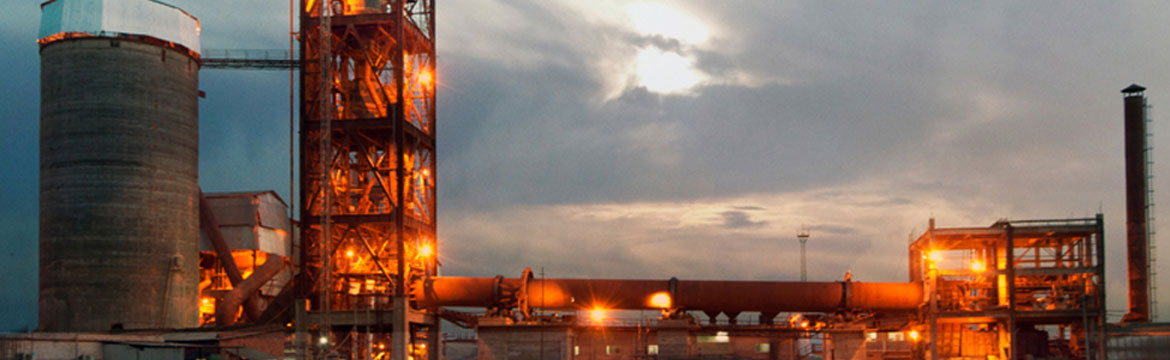
1. Overview of a Cement Rotary Kiln
A cement rotary kiln is a continuous process machine used for heating raw materials (like limestone, clay, and iron ore) to form clinker, the precursor to cement. The process involves:
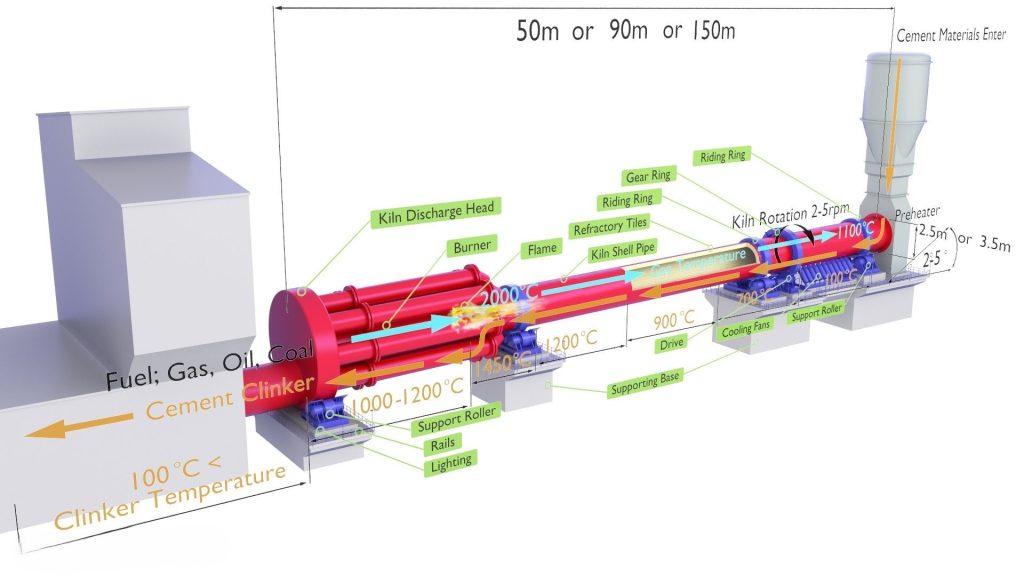
- Heating raw materials to high temperatures (up to 1450°C).
- Mixing the materials during rotation for even heating.
- Cooling the clinker after formation.
It’s a massive cylindrical device, often inclined slightly to facilitate material flow due to gravity.
2. Detailed Components
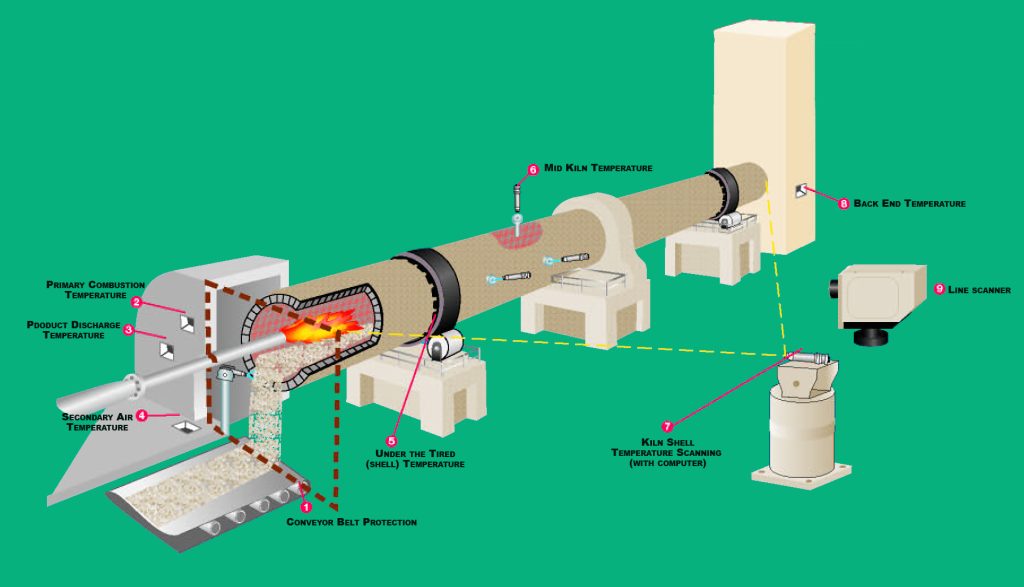
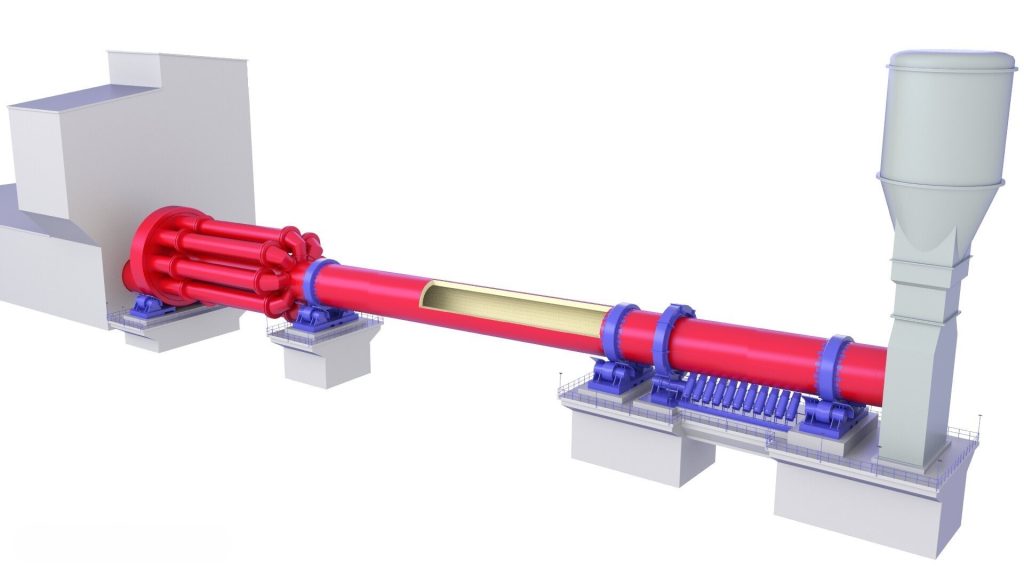
A. Rotary Kiln Shell
- Material: Typically made from mild steel or alloy steel.
- Purpose: Houses the materials and protects the inner workings.
- Design Notes:
- Length-to-diameter ratio (L/D): Usually between 10:1 to 30:1.
- Shell thickness: Typically ranges between 15-50 mm, increasing near the burning zone.
B. Refractory Lining
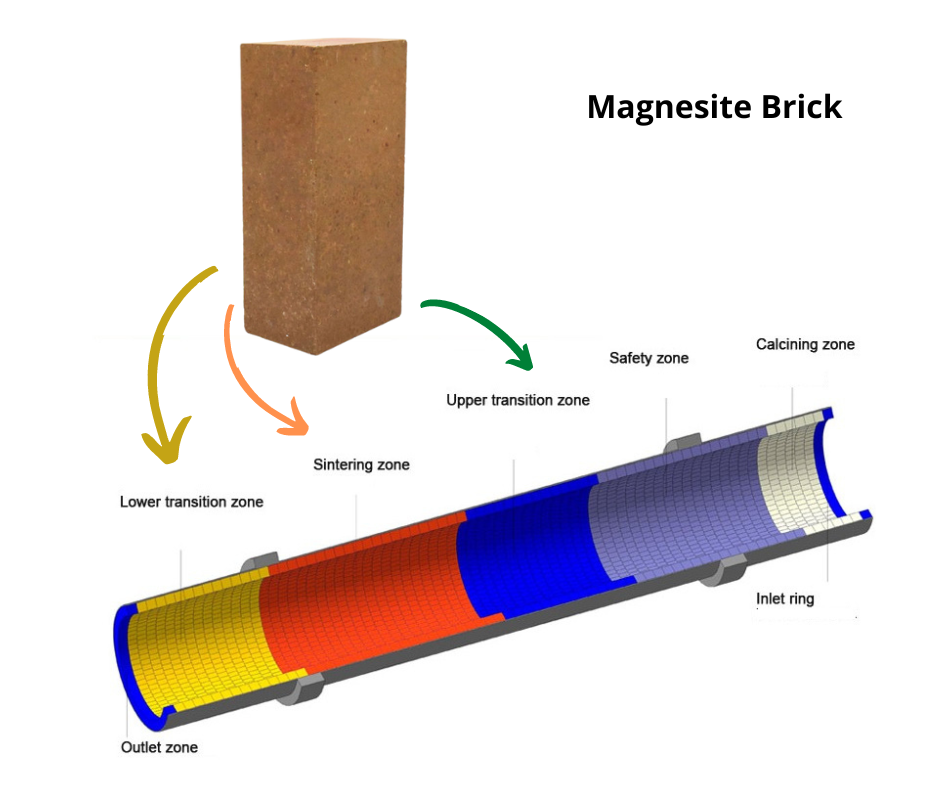

- Types of Refractories Used:
- Fireclay bricks: For zones under moderate heat (<1000°C).
- High-alumina bricks: For transition zones (1000–1350°C).
- Magnesia bricks: For the burning zone (1350–1450°C), where temperatures and chemical attacks are most intense.
- Refractory castables: For joints and repairs.
- Installation:
- Must be carefully aligned.
- Anchors or mechanical fixings might be used to hold refractory layers.
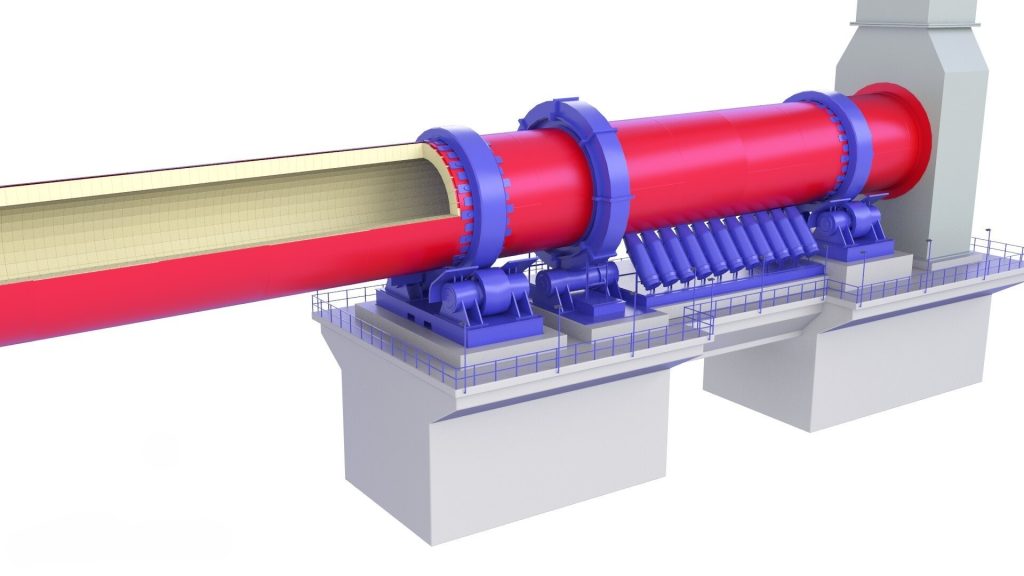
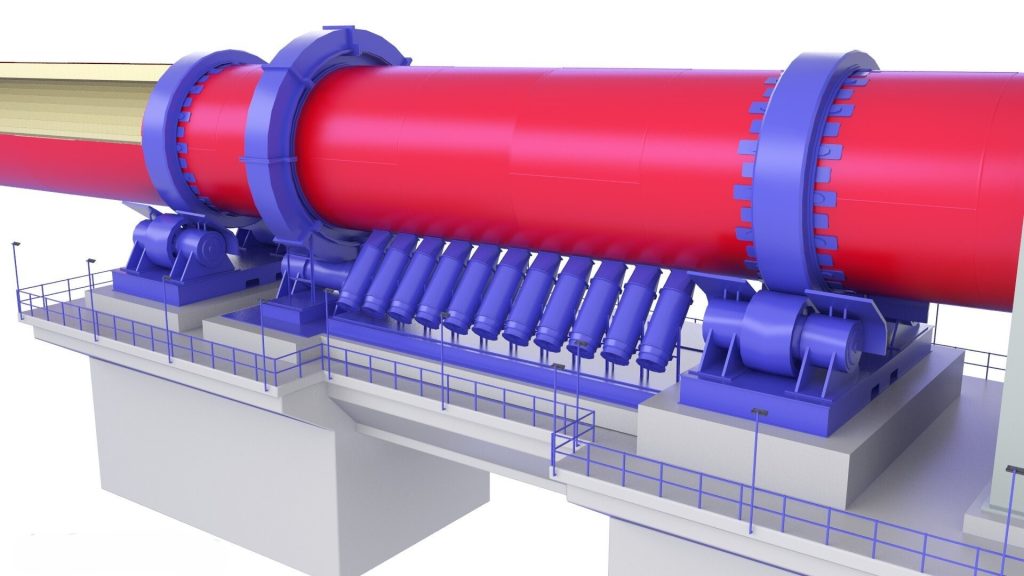
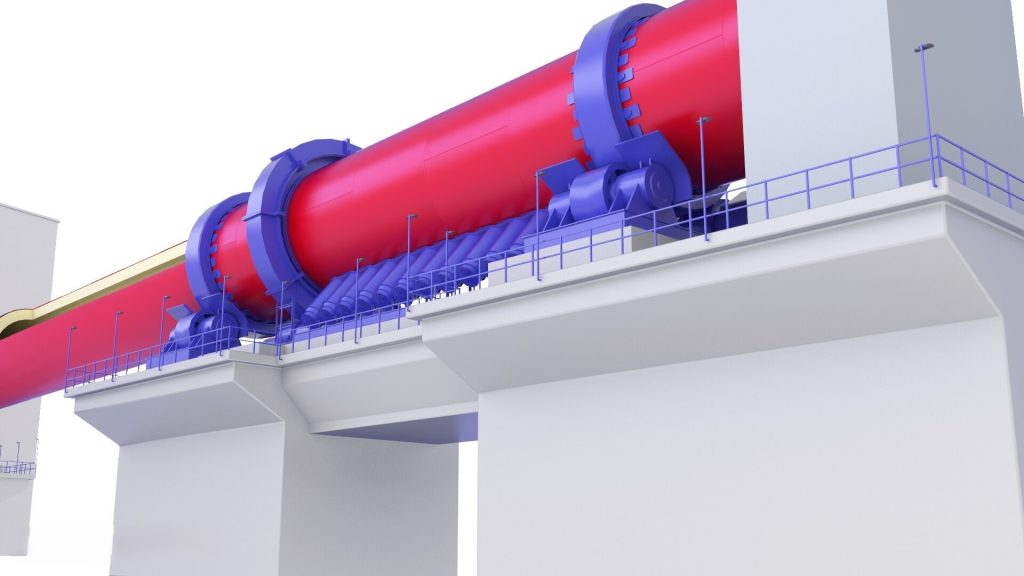
C. Support Rollers and Tyres
- Purpose: Keep the kiln stable and rotating evenly.
- Design Notes:
- Support rollers are made of forged or cast steel.
- Tyres (or riding rings) reduce shell deformation and handle weight distribution.
D. Drive Gear and Motor
- Components:
- Gear mechanism: Transmits torque to the kiln.
- Variable speed motor: Controls rotation speed (usually 1-5 RPM).
- Critical Factors:
- Alignment of gears and lubrication are essential to prevent wear.
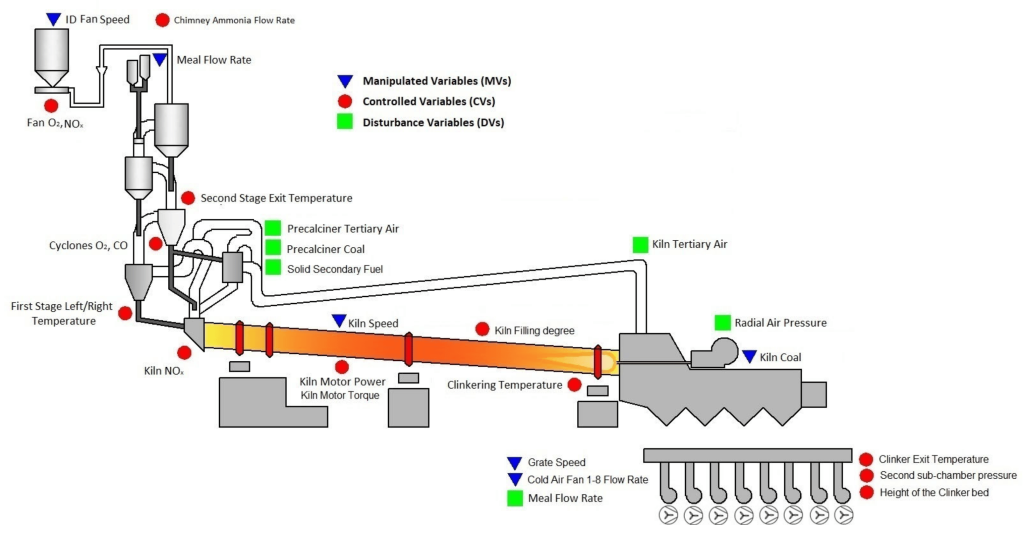
E. Burner System
- Fuel Types: Coal, natural gas, or alternative fuels (e.g., waste-derived fuels).
- Design Notes:
- Modern kilns often use multi-channel burners for precise fuel and air mixing.
- Control systems manage the flame shape and heat distribution.
F. Preheater
- Located before the kiln.
- Purpose: Uses hot exhaust gases from the kiln to preheat raw materials.
- Design:
- Cyclones or suspension preheaters improve efficiency.
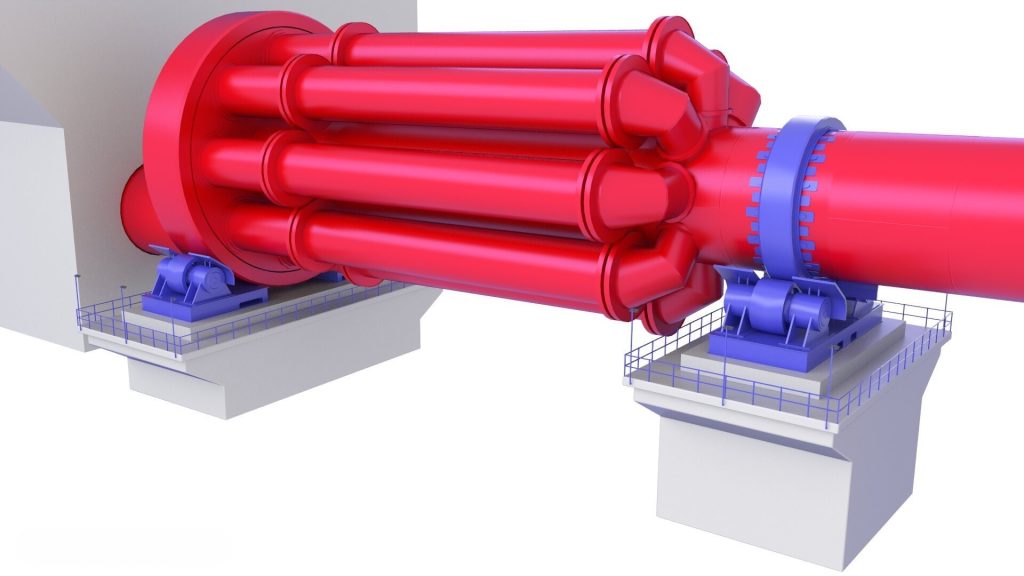
G. Cooler
- Located after the kiln.
- Purpose: Rapidly cools the clinker to preserve mineral properties.
- Types:
- Grate cooler.
- Rotary cooler.
H. Dust Collection and Pollution Control
- Systems:
- Baghouse filters.
- Electrostatic precipitators.
- Purpose: Captures fine dust particles and reduces emissions.
3. Refractory Lining Zones
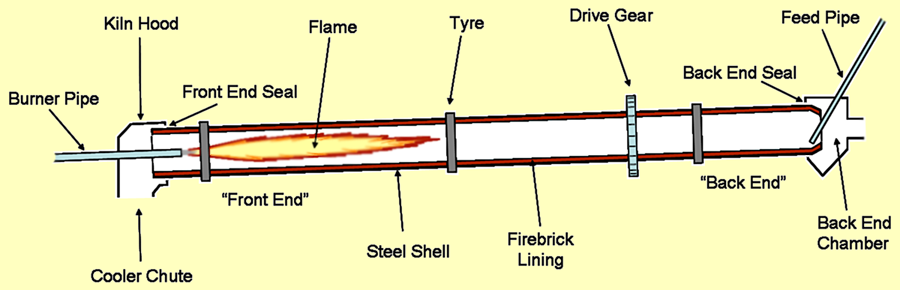
The kiln is divided into several temperature zones, each requiring specific refractory materials:
- Inlet Zone (Drying Zone):
- Moderate temperatures (300–900°C).
- Use fireclay bricks or basic refractories.
- Transition Zone:
- Temperatures (900–1350°C).
- Use high-alumina or basic refractories.
- Burning Zone:
- Highest temperatures (1350–1450°C).
- Use magnesia-based bricks for thermal and chemical resistance.
- Cooling Zone:
- Temperatures drop rapidly (<900°C).
- Use fireclay or alumina bricks.
4. Construction Process for Professional-Grade Kiln
Step 1: Design and Planning
- Use CAD software to design the kiln with specifications:
- Calculate dimensions based on production capacity.
- Include all components like preheater, cooler, and burner.
- Perform thermal and mechanical calculations for refractory and shell material.
Step 2: Fabrication
- Kiln Shell:
- Weld steel plates into sections.
- Add reinforcements for structural stability.
- Refractory Lining:
- Install refractories in layers, with precision.
- Ensure tight seals to prevent heat loss.
Step 3: Installation
- Assemble the kiln shell on support rollers.
- Align drive systems and install inlet/outlet seals.
- Attach preheater, cooler, and dust collection systems.
Step 4: Testing
- Perform cold commissioning (without materials) to check rotation, alignment, and seals.
- Conduct hot commissioning to test refractory performance and burner operation.
5. Costs and Challenges
Costs:
- The total cost depends on size and complexity but ranges from $2 million to $20 million for industrial-grade kilns.
- Refractory lining is a significant expense due to material durability.
Challenges:
- High precision is required for alignment.
- Maintenance of refractory materials under thermal and mechanical stress.
- Environmental compliance for emissions.

Recent Comments