


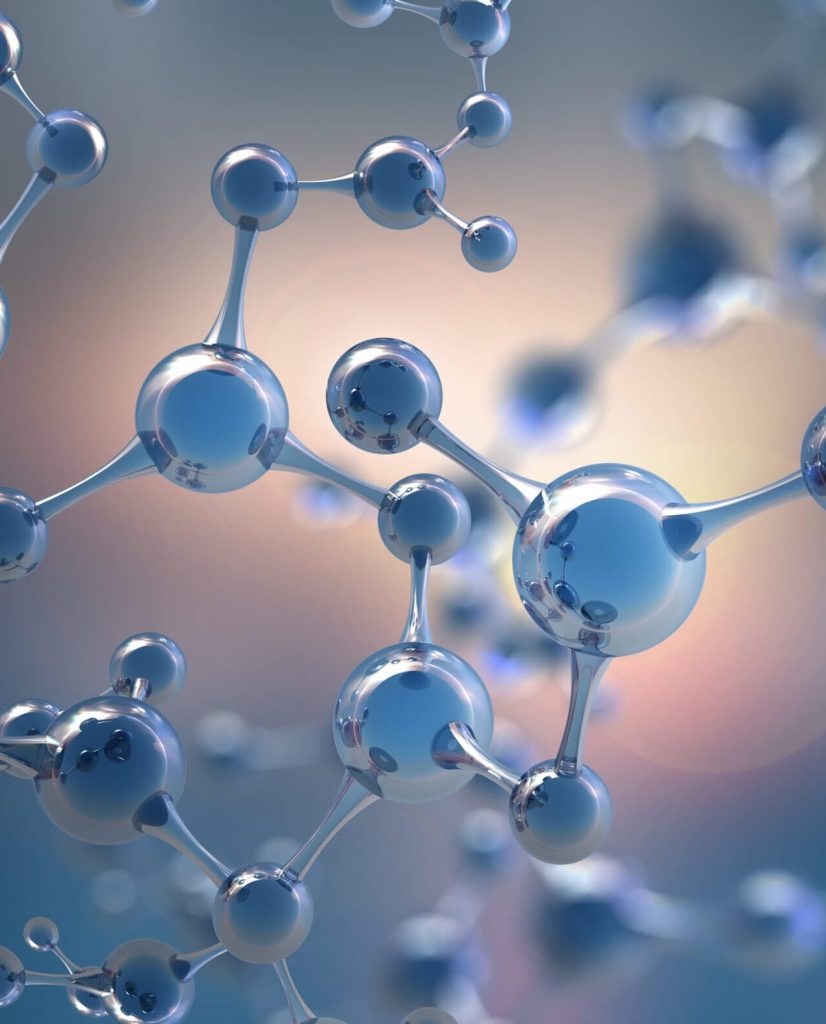

In the steel, petrochemical, and related industries, using heating furnaces that reach temperatures above 1200°C for product manufacturing is common. Therefore, there is always a need for the refractory industry and the production of lightweight refractories that can withstand temperatures exceeding 1400°C and have a suitable shock resistance. This thesis presents a method for producing lightweight alumina refractory bricks using nano aluminum oxide (alumina) powder. Nano aluminum oxide has numerous pores with diameters around 7.5 nanometers, which contributes to its lightweight nature, allowing this property to be utilized to make lightweight alumina refractory bricks.
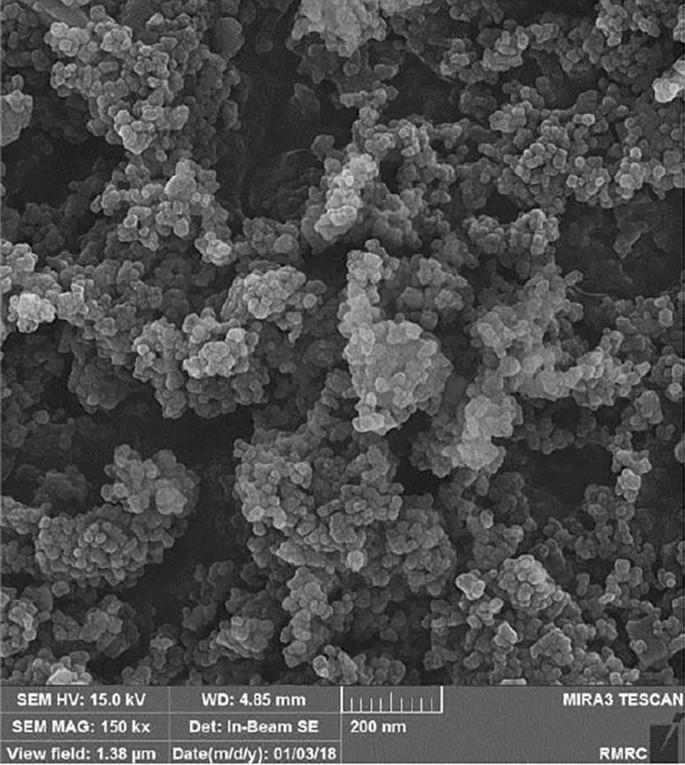
In this study, brick tablet samples were produced through a pressing method using raw nano alumina powder in proportions of 10%, 20%, 30%, 40%, and 50%, then fired at 1450°C in a tunnel kiln. The 50% sample was produced with a lower density than the others. SEM electron microscope images of the 50% sample showed a high number of pores in the brick tablet, indicating its lightweight characteristic. Additionally, significant adhesion was observed between kaolin clay and nano alumina powder in the raw brick sample, which increased with the addition of nano oxide.
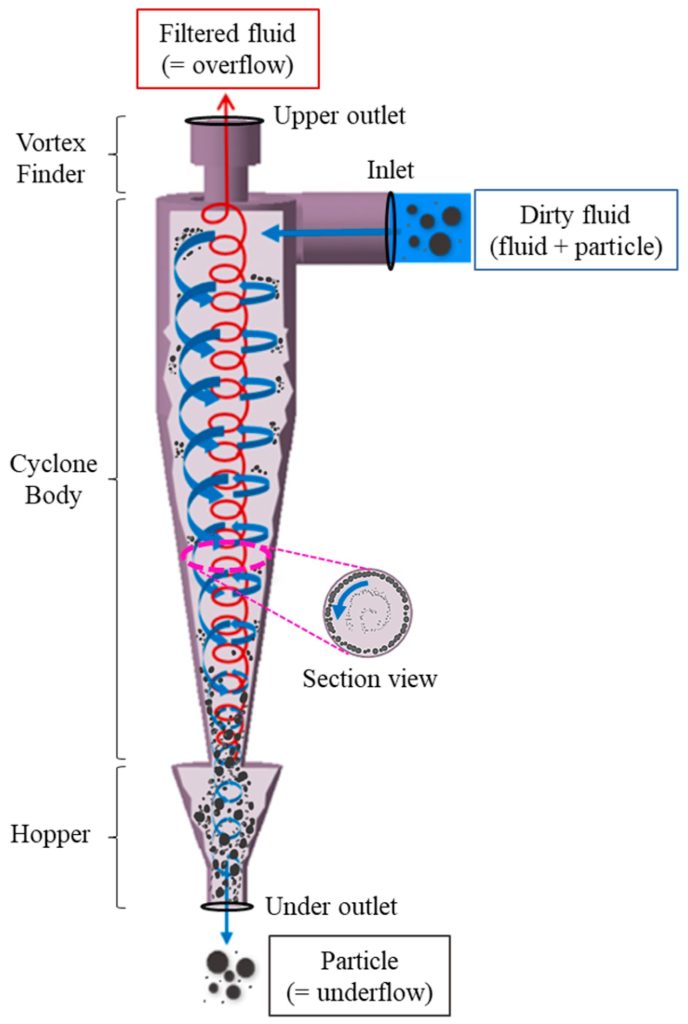

This is an article about Cyclonic Separation.
This article is assembled from Wikipedia.
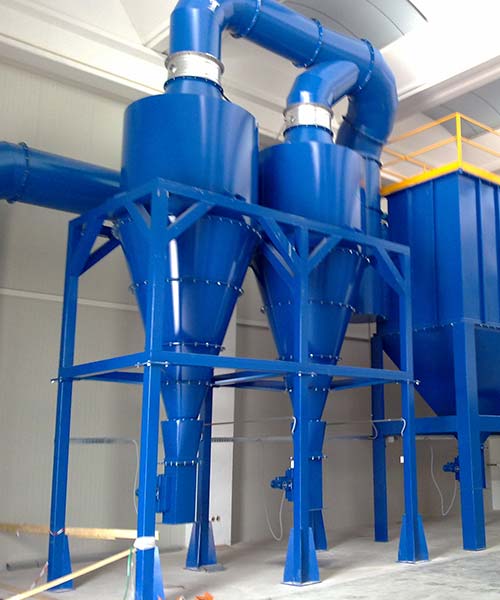
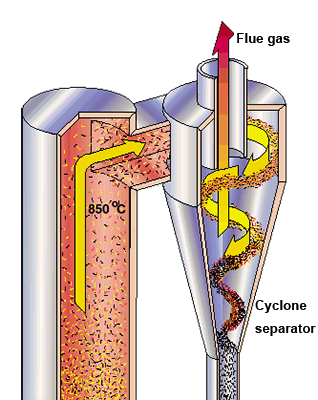
Cyclonic separation is a method of removing particulates from an air, gas or liquid stream, without the use of filters, through vortex separation. When removing particulate matter from liquids, a Hydrocyclone is used; while from gas, a gas cyclone is used. Rotational effects and gravity are used to separate mixtures of solids and fluids. The method can also be used to separate fine droplets of liquid from a gaseous stream.
This is a article about the most famous statistics in The Mathematical methods in Physics Science.
The name of this thesis:
“FERMI-DIRAC STATISTICS“
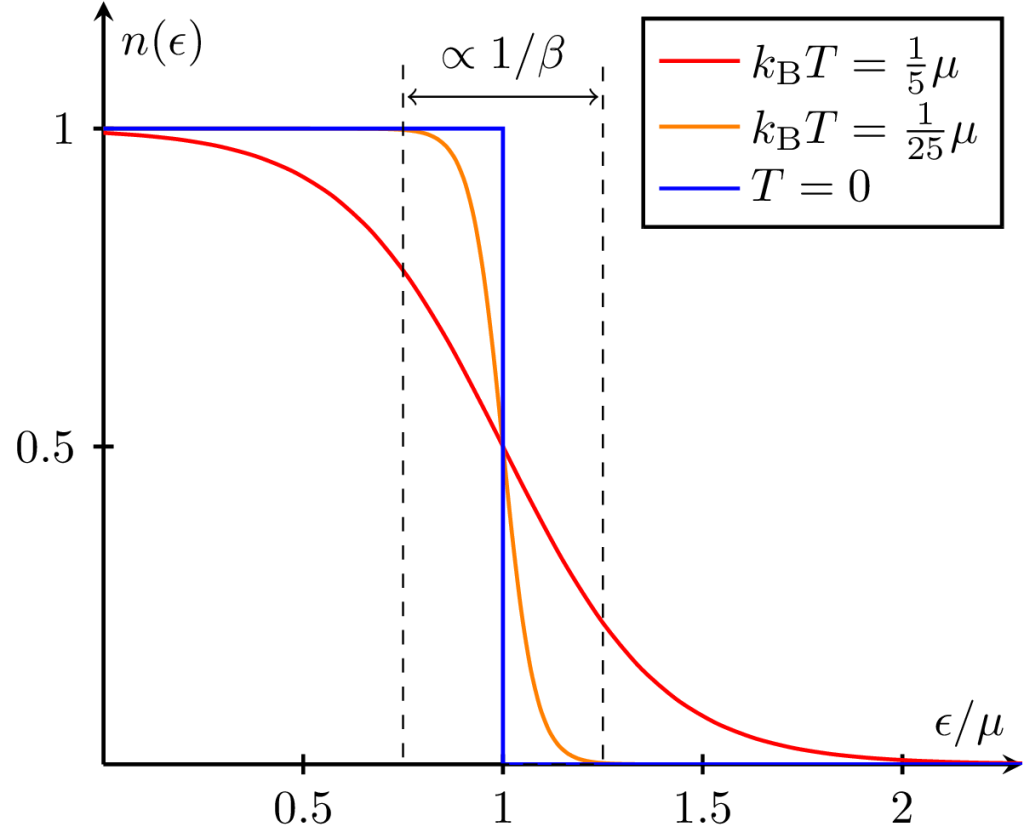
In quantum statistics, a branch of physics, Fermi–Dirac statistics describes distribution of particles in certain systems comprising many identical particles that obey the Pauli exclusion principle. It is named after Enrico Fermi and Paul Dirac, who each discovered it independently, although Enrico Fermi defined the statistics earlier than Paul Dirac.
Fermi–Dirac (F–D) statistics applies to identical particles with half-integer spin in a system in thermodynamic equilibrium. Additionally, the particles in this system are assumed to have negligible mutual interaction. This allows the many-particle system to be described in terms of single-particle energy states. The result is the F–D distribution of particles over these states and includes the condition that no two particles can occupy the same state, which has a considerable effect on the properties of the system. Since F–D statistics applies to particles with half-integer spin, these particles have come to be called fermions. It is most commonly applied to electrons, which are fermions with spin 1/2. Fermi–Dirac statistics is a part of the more general field of statistical mechanics and uses the principles of quantum mechanics.
Recent Comments