

What is Dogecoin?
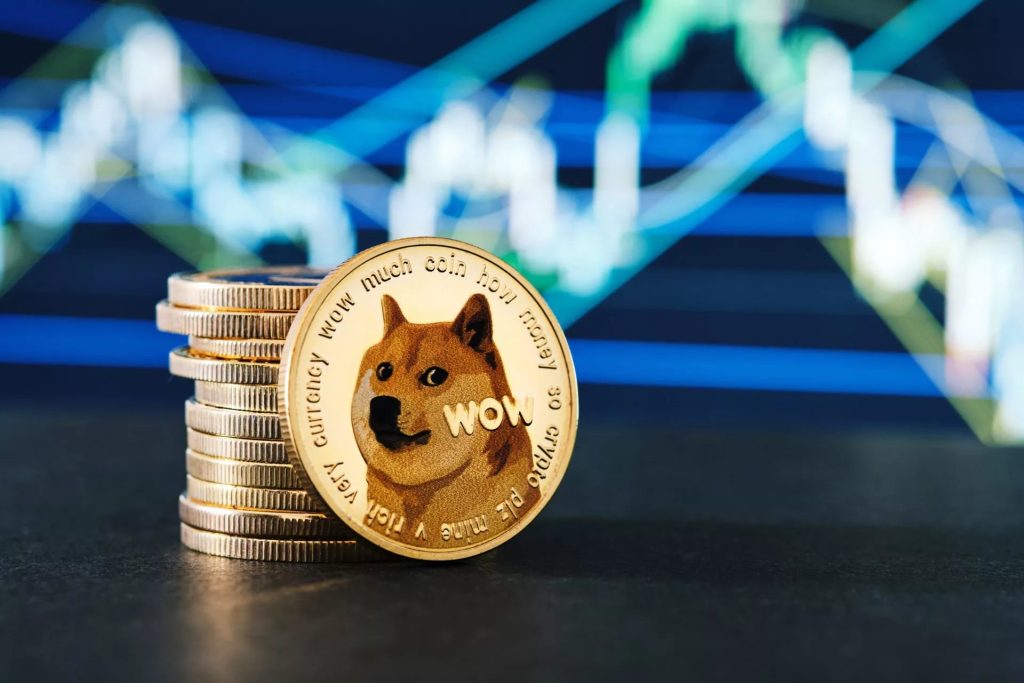
- Origin:
- Dogecoin (DOGE) is a cryptocurrency created in 2013 as a lighthearted and fun alternative to Bitcoin. It started as a joke based on the “Doge” meme featuring a Shiba Inu dog but gained popularity due to its community-driven nature.
- Technology:
- It operates on blockchain technology, like Bitcoin and Ethereum, ensuring transactions are secure and decentralized.
- It uses a system called proof-of-work for mining, similar to Bitcoin but with a shorter block time.
- Supply:
- Unlike Bitcoin, which has a limited supply, Dogecoin has an unlimited supply. About 10,000 Dogecoins are created every minute, making it inflationary.
- Use Cases:
- Initially, it was used for tipping on social media.
- Today, it’s used for online payments, donations, and as an investment vehicle.
How to Trade Dogecoin
- Choose a Platform:
- Find a cryptocurrency exchange like Binance, Coinbase, Kraken, or KuCoin where Dogecoin is listed.
- Register and verify your identity on the platform.
- Deposit Funds:
- Add money to your exchange account using your local currency (via credit card, bank transfer, etc.) or deposit other cryptocurrencies like Bitcoin.
- Buy Dogecoin:
- Search for “DOGE” on the platform.
- Place a market or limit order to buy Dogecoin.
- Storage:
- You can store your Dogecoin on the exchange for easy trading or transfer it to a crypto wallet for security (hot wallets for convenience or cold wallets for safety).
- Sell or Trade:
- You can sell Dogecoin on the exchange for fiat currency or trade it for other cryptocurrencies.
Risks of Trading Dogecoin
- Volatility:
- The price of Dogecoin is highly volatile. Its value can rise or fall drastically in a short period due to market sentiment, social media hype, or celebrity endorsements (e.g., Elon Musk).
- Lack of Intrinsic Value:
- Dogecoin has no specific utility or backing asset, making its value largely speculative.
- Inflationary Supply:
- Since Dogecoin has no supply cap, it may lose value over time due to inflation.
- Market Manipulation:
- Whale investors (individuals holding a large amount of DOGE) can influence its price, leading to pump-and-dump schemes.
- Regulation Risks:
- Cryptocurrencies are subject to changing regulations, which could affect their trading or legality in some countries.
- Security:
- Holding Dogecoin on an exchange leaves you vulnerable to hacks or scams. Use secure wallets whenever possible.
Tips for Trading Dogecoin Safely
- Do Your Research:
- Stay informed about market trends, news, and Dogecoin developments.
- Invest What You Can Afford to Lose:
- Due to its volatility, only invest money that won’t impact your financial stability if lost.
- Diversify Your Portfolio:
- Don’t put all your money into Dogecoin. Spread your investments across various assets to reduce risk.
- Set Stop-Loss Orders:
- Use stop-loss features on exchanges to limit your losses if the price drops below a certain point.
- Secure Your Wallet:
- Use strong passwords, two-factor authentication, and reputable wallets for storage.



Recent Comments