

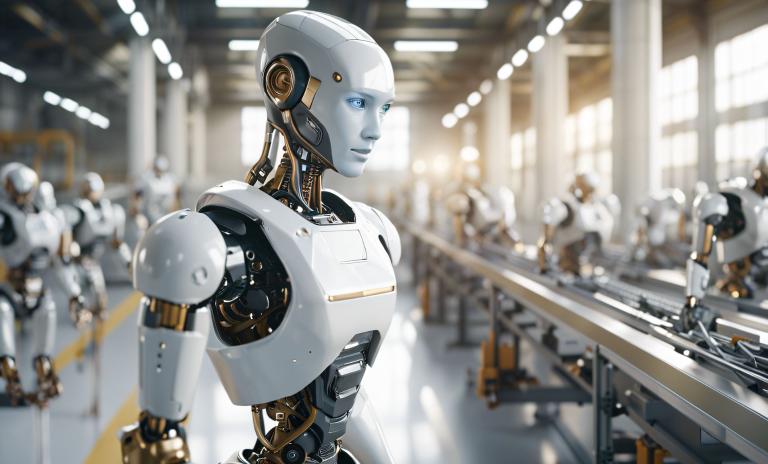
Introduction to Electronic Robots
Electronic robots represent a fascinating blend of technology, engineering, and artificial intelligence, playing an increasingly vital role in modern society. These machines are designed to carry out tasks that might otherwise be dangerous, repetitive, or highly precise. They range from simple mechanical structures to complex systems equipped with sensors, cameras, and processors that allow them to interact intelligently with their environments.
What Are Electronic Robots?
Electronic robots are essentially automated devices that rely on electrical circuits, sensors, actuators, and software to perform tasks. Unlike simpler machines, robots are typically capable of perceiving their surroundings, making decisions, and acting independently or in cooperation with humans. Robots can be programmed for a variety of applications, from simple household chores to complex industrial operations.
Types of Electronic Robots
- Industrial Robots: These are commonly used in manufacturing processes, such as assembling cars or packaging goods. They are designed to perform repetitive tasks with precision and efficiency, boosting productivity and reducing labor costs.
- Service Robots: These robots assist in fields like healthcare, hospitality, and education. They can range from robotic cleaners to advanced medical robots that perform surgeries with extreme precision.
- Exploration and Defense Robots: Designed for high-risk tasks, such as space exploration, underwater exploration, and bomb disposal, these robots operate in environments that are hazardous for humans.
- Personal and Educational Robots: Personal robots, like robotic pets or educational robots, are used in homes or schools. They provide interactive learning experiences, entertain, or help with basic tasks.
Key Components of Electronic Robots
- Sensors: Sensors are the “eyes and ears” of a robot, allowing it to detect changes in its surroundings. Examples include infrared, ultrasonic, and proximity sensors.
- Actuators: Actuators are responsible for movement, translating electrical energy into motion, whether it’s wheels turning or arms lifting.
- Processing Unit: This acts as the “brain” of the robot, where information from sensors is processed, decisions are made, and actions are executed.
- Power Supply: Robots need energy to function, commonly derived from batteries or direct electrical connections.
Applications of Electronic Robots
- Manufacturing: Enhances production efficiency and quality control.
- Healthcare: Assists in surgeries, rehabilitation, and patient care.
- Agriculture: Helps in tasks such as planting, watering, and harvesting.
- Education: Engages students in interactive learning experiences.
- Home Automation: Assists with cleaning, security, and other household tasks.
Future of Electronic Robots
As technology advances, robots are becoming more intelligent, autonomous, and integrated into daily life. From AI-powered assistants to self-driving vehicles, electronic robots hold the potential to transform industries and redefine how we interact with machines in our everyday lives.



Norma ISO 10816
Sistemas de balanceo: clave para el rendimiento fluido y efectivo de las dispositivos.
En el entorno de la ciencia actual, donde la rendimiento y la estabilidad del equipo son de suma relevancia, los aparatos de ajuste juegan un tarea esencial. Estos sistemas adaptados están diseñados para ajustar y fijar partes rotativas, ya sea en herramientas manufacturera, medios de transporte de movilidad o incluso en dispositivos hogareños.
Para los expertos en conservación de dispositivos y los ingenieros, utilizar con dispositivos de balanceo es esencial para promover el funcionamiento suave y estable de cualquier dispositivo móvil. Gracias a estas soluciones tecnológicas modernas, es posible limitar significativamente las oscilaciones, el zumbido y la tensión sobre los cojinetes, mejorando la tiempo de servicio de componentes caros.
Igualmente significativo es el papel que juegan los aparatos de ajuste en la soporte al comprador. El asistencia especializado y el mantenimiento permanente usando estos sistemas permiten proporcionar prestaciones de excelente excelencia, incrementando la bienestar de los usuarios.
Para los dueños de empresas, la financiamiento en equipos de ajuste y dispositivos puede ser fundamental para optimizar la rendimiento y eficiencia de sus sistemas. Esto es sobre todo trascendental para los empresarios que administran medianas y medianas empresas, donde cada detalle cuenta.
También, los sistemas de balanceo tienen una amplia aplicación en el área de la seguridad y el supervisión de excelencia. Permiten localizar probables problemas, previniendo intervenciones elevadas y daños a los equipos. Además, los resultados recopilados de estos dispositivos pueden emplearse para mejorar métodos y potenciar la reconocimiento en sistemas de exploración.
Las áreas de utilización de los equipos de equilibrado comprenden variadas ramas, desde la fabricación de vehículos de dos ruedas hasta el seguimiento de la naturaleza. No importa si se refiere de extensas manufacturas manufactureras o pequeños locales caseros, los aparatos de equilibrado son indispensables para asegurar un funcionamiento efectivo y sin detenciones.